Professional made-to-measure digital sewing patterns — PDF · PLT · DXF AAMA
A sleeveless women's top that widens to the hem, with a deep V-neck at front and back, an inverted pleat at the centre front and separate side panels set below the armholes, gathered at the top edge by elastic in a casing. Drafted to your own measurements. Recommended fabric: blouse fabrics made of natural or blended fibres.
A sleeveless women's top that widens to the hem, with a deep V-neck at front and back, an inverted pleat at the centre front and separate side panels set below the armholes, gathered at the top edge by elastic in a casing.
Silhouette: Trapeze shape, loose from the chest to the hem.
Length: Hip length, straight hem.
Neckline: Deep V at the front and a V at the back, finished together with the armholes by one-piece facings for the front and back.
Sleeves: Sleeveless, wide shoulder straps.
Front: Cut in one piece on the fold, with an inverted pleat at the centre front starting from the point of the V.
Back: Cut in one piece on the fold, no centre back seam.
Sides: Two side panels joined to the front and back below the armholes. The top edge of each panel is turned to form a casing for 5 cm wide elastic, which is stitched down at marked vertical lines.
Finishing: Hem turned up twice by 1 cm and topstitched; shoulder seams sewn after the facings are attached.
Beginner. Few pieces; the steps are an inverted pleat, an elastic casing and an all-in-one neck and armhole facing.
Blouse fabrics made of natural or blended fibres.
If the patterns have a double contour, they include seam allowances. If the contour is single, the patterns do not include seam allowances. Seam allowances: all seams 1 cm; hem allowance – 2.0 cm. Attention! First, print out the paper patterns and lay them out on the fabric width (fabric width can be from 90 cm to 150 cm) to determine how much material you will need (do not forget to account for paired and symmetrical pieces). When stitching pieces, pay attention to the notches - they must match!
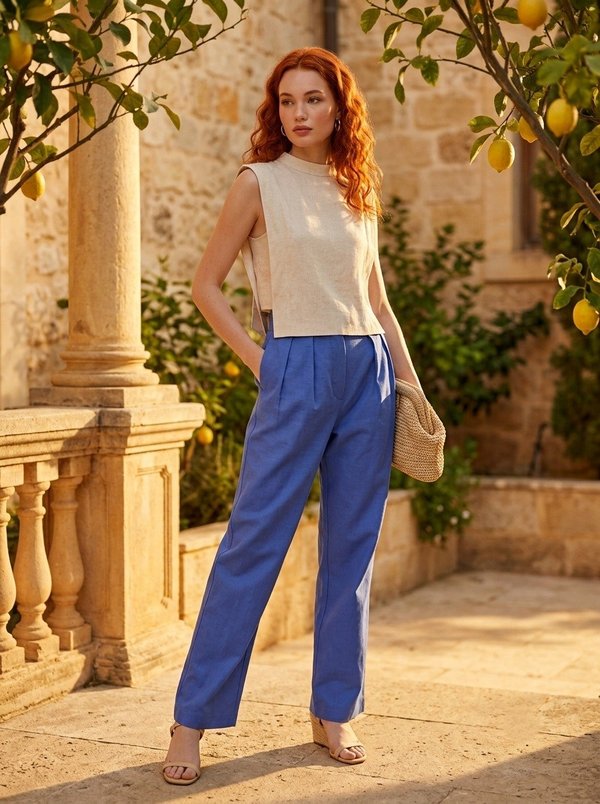
#2465
Sleeveless Stand Collar Side Split Blouse
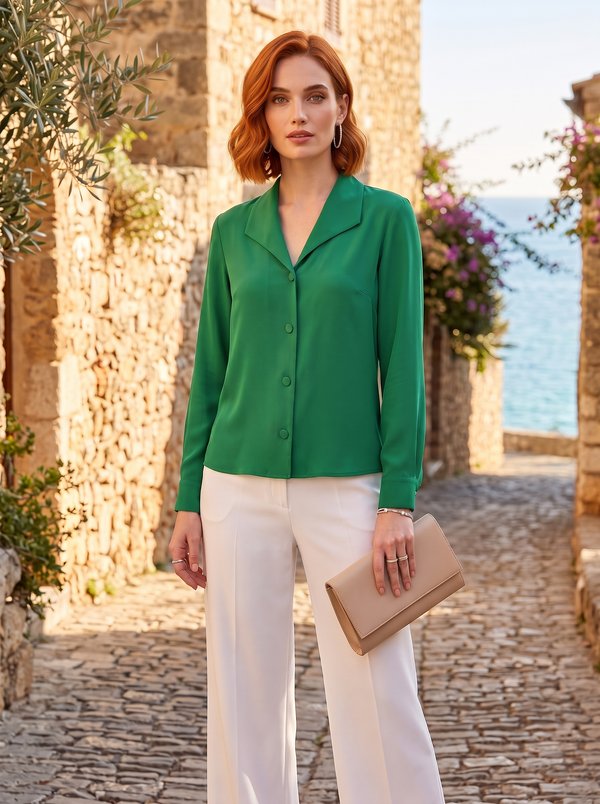
#2471
Revere Collar Button Front Blouse
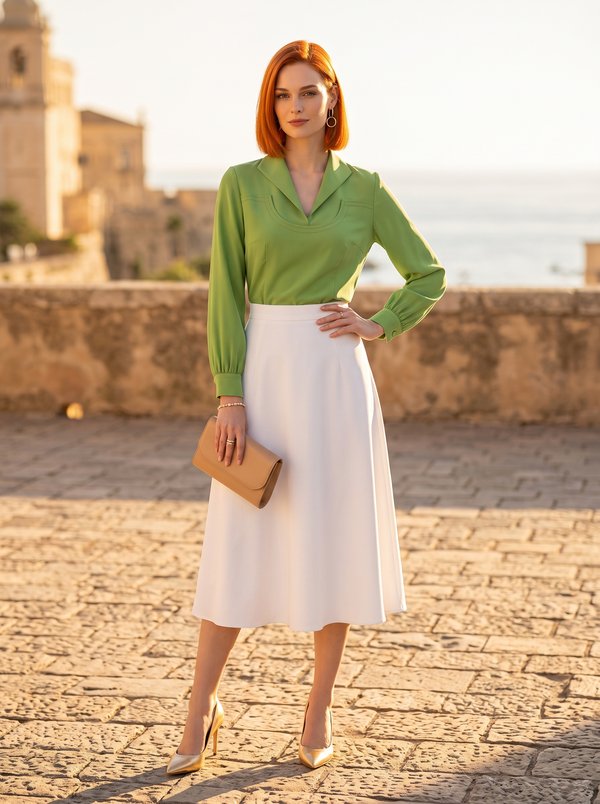
#2472
Blouse with Front Yoke and Bishop Sleeves
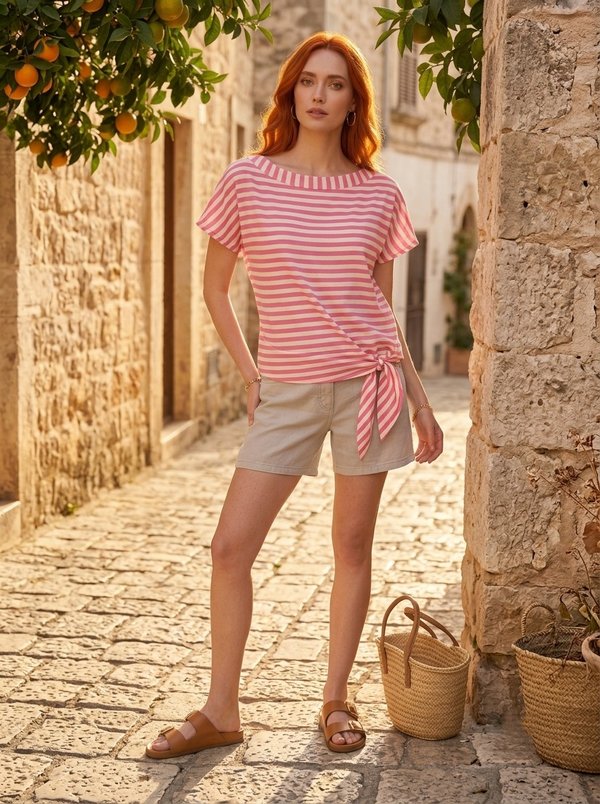
#2462
Boat Neck Tie Front Top
#2474
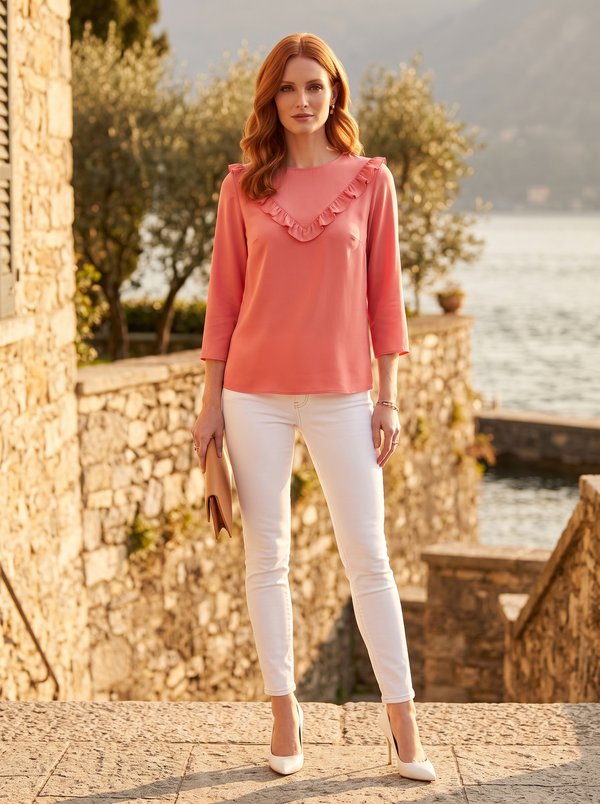
Relaxed Long Sleeve Ruffle Yoke Blouse
#2461
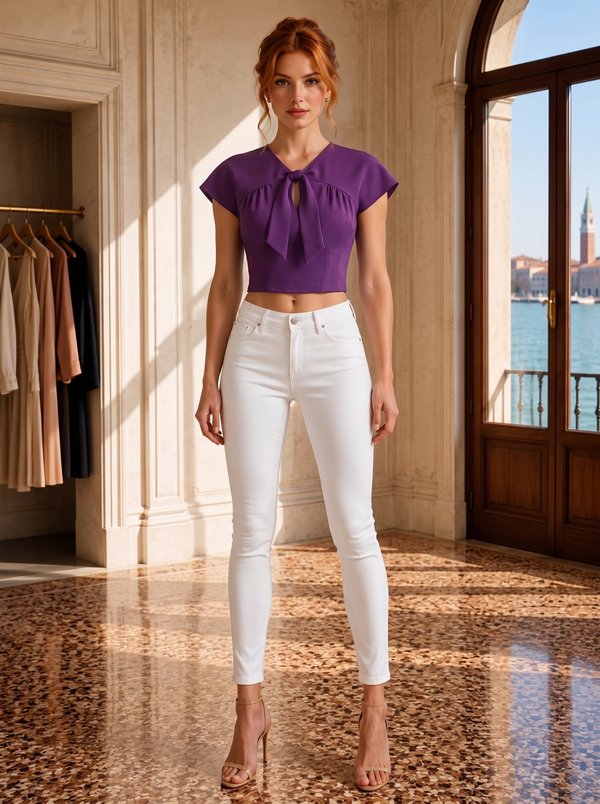
Cropped Blouse with Keyhole Bow
#2475
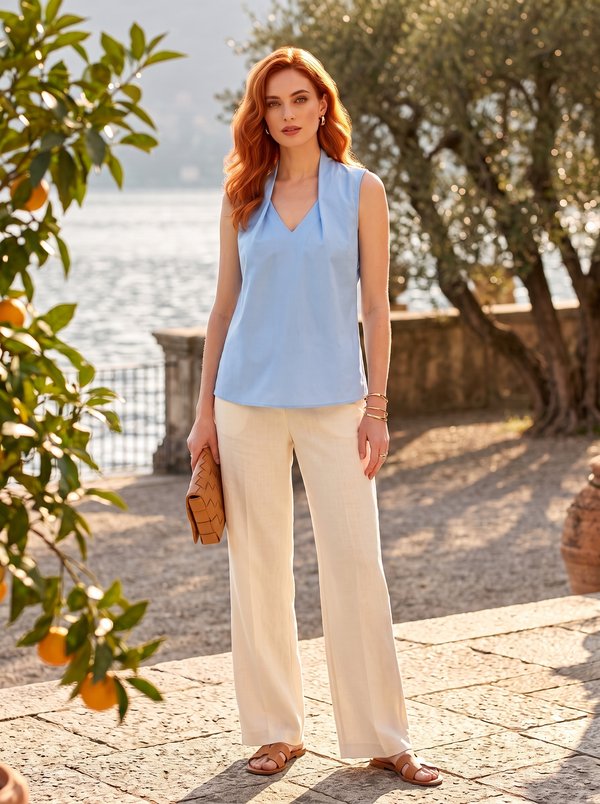
Sleeveless Draped V-neck Blouse
#2458
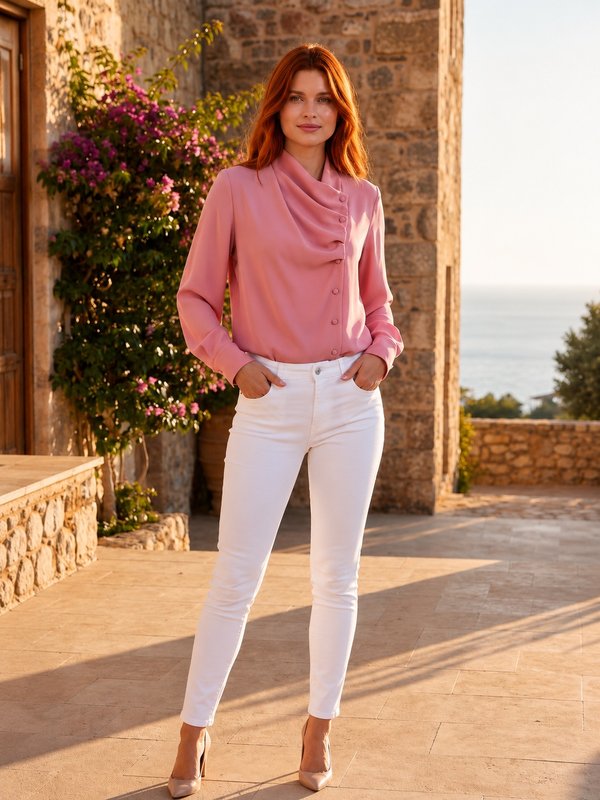
Button-Front Shirt Collar Long Sleeve Blouse

Minerva Support
Online