Professional made-to-measure digital sewing patterns — PDF · PLT · DXF AAMA
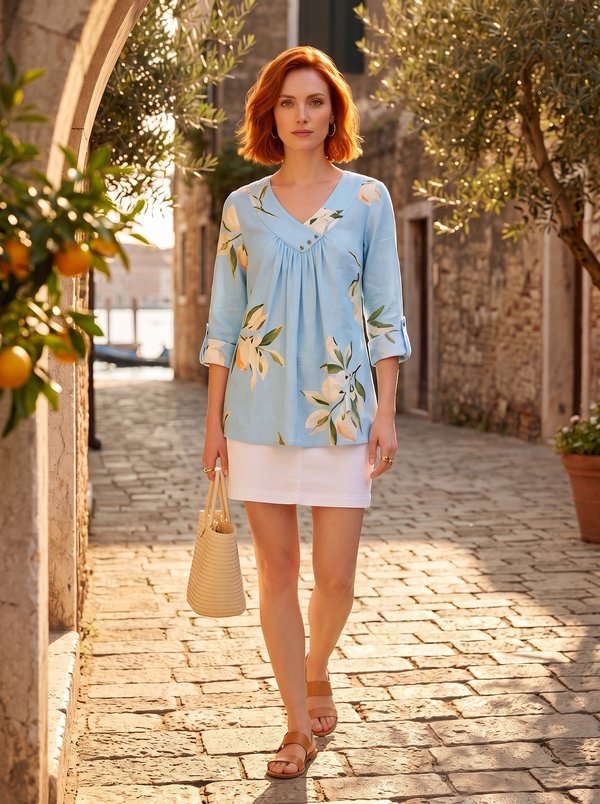
A women's straight blouse with short set-in sleeves and a V-neckline gathered by a tape threaded through stitched casings, so the neckline edge forms a narrow frill. Drafted to your own measurements. Recommended fabric: blouse fabrics made of natural or blended fibres.
A women's straight blouse with short set-in sleeves and a V-neckline gathered by a tape threaded through stitched casings, so the neckline edge forms a narrow frill.
Silhouette: Straight, without darts; front and back both cut on the fold.
Neckline: V-neck at the front and round at the back. The neckline facing is turned to the right side; parallel lines stitched through it along the marks form casings. A tape 0.5 cm wide (ready-made, or a 2 cm strip folded in four) is threaded through and drawn up, and the amount of gathering is checked against a paper control template supplied with the pattern. The tape ends are secured with bar tacks.
Sleeves: Short, set-in, with a turned and topstitched hem.
Back: One piece cut on the fold, no opening.
Finishing: Side and shoulder seams pressed to the back and serged; garment and sleeve hems turned up 1.5 cm and topstitched.
Beginner. No darts or closures; the only detailed step is stitching even casings and distributing the gathers by the template.
Blouse fabrics made of natural or blended fibres.
If the patterns have a double contour, seam allowances are included. If the contour is single, seam allowances are not included. Seam allowances: Hem allowance for the garment and sleeve bottom edge – 1.5 cm. Other seams – 1.0 cm. Attention! First, print out the paper patterns and lay them out on the fabric width (fabric width can be from 90cm to 150cm) to determine how much material you will need (do not forget to account for paired and symmetrical details).
When stitching pieces, pay attention to the notches - they must match!
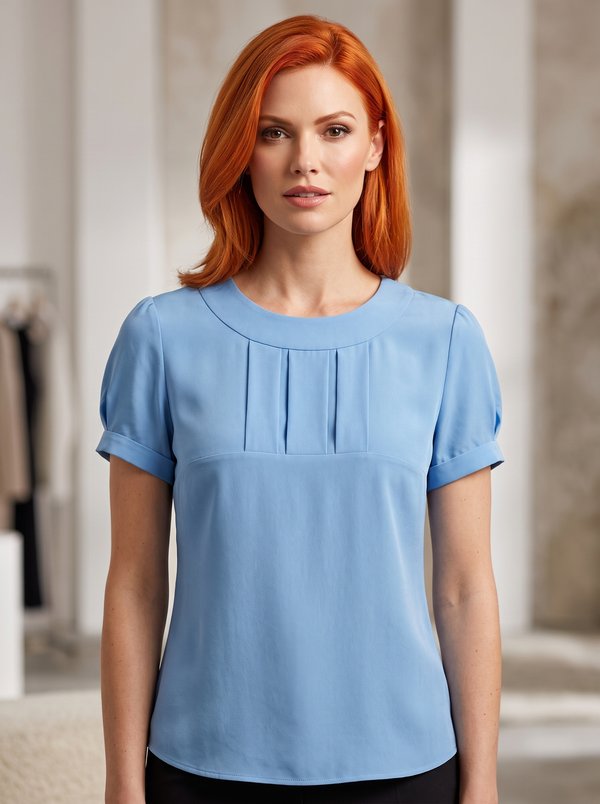
#4958
Pleated Yoke Puffed Sleeve Blouse
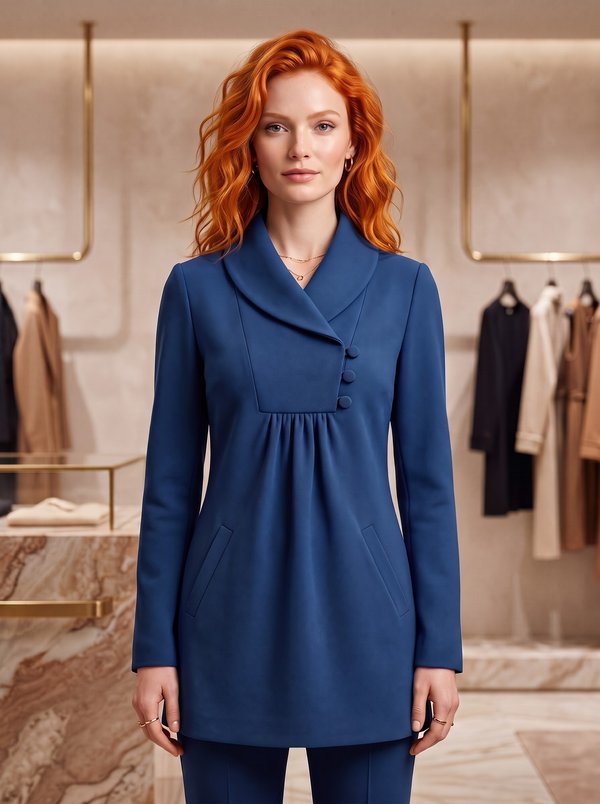
#4956
Asymmetrical Shawl Collar Gathered Jumper

#4969
Sleeveless Overlap Blouse Asymmetrical Hem
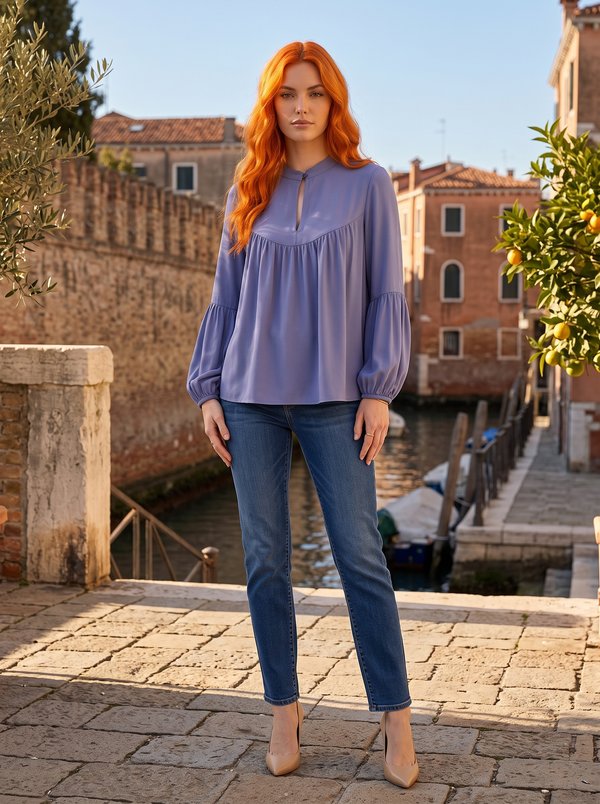
#4953
Stand Collar Gathered Yoke Balloon Sleeve Blouse

#4971
Scoop Neck Draped Short Sleeve Blouse
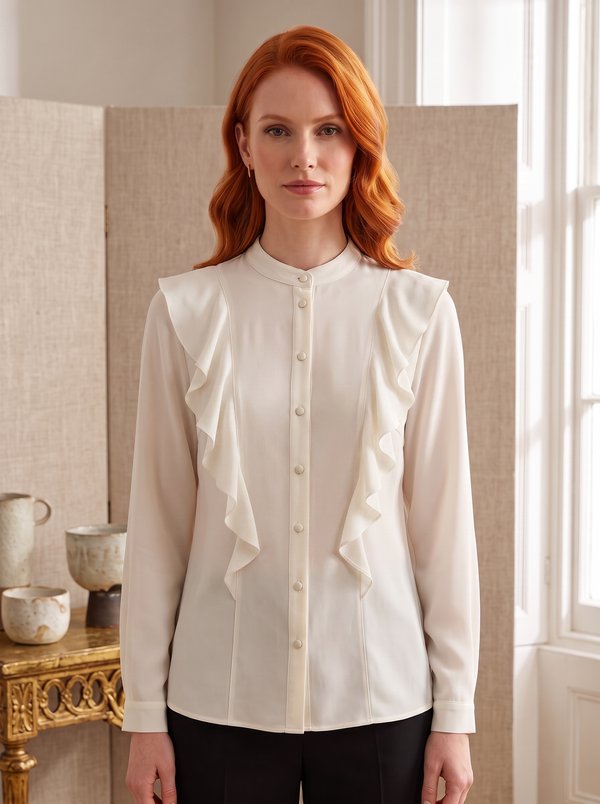
#4974
Ruffled Front Band Collar Blouse

#4949
Ruffled Stand Collar Bow Tie Blouse
#4976
Gathered V-Neck Top With Tab Sleeves

Minerva Support
Online