Professional made-to-measure digital sewing patterns — PDF · PLT · DXF AAMA
A sleeveless, close-fitting women's dress for knit fabric. The front is cut in two parts joined by a diagonal seam from the armhole to the opposite side of the hem, with a gathered ruffle set into the seam; the ruffle ends below the hemline at the side. Drafted to your own measurements. Recommended fabric: medium to high stretch knit fabrics of natural or blended fibres.
A sleeveless, close-fitting women's dress for knit fabric. The front is cut in two parts joined by a diagonal seam from the armhole to the opposite side of the hem, with a gathered ruffle set into the seam; the ruffle ends below the hemline at the side.
Silhouette: Close-fitting straight dress for knit fabric, with darts on the front; the darts are of different depths by design.
Length: Above the knee.
Neckline: Round; the 1.5 cm allowance is overlocked, turned in and topstitched, with no facing or collar.
Sleeves: Sleeveless; armholes finished like the neckline.
Front: Right front and left front joined by a diagonal seam. The ruffle, cut as one piece, is gathered along its inner edge and stitched into this seam from the mark to the side seam line; its outer and side edges are finished with a rolled hem.
Back: Centre back seam, pressed to the left.
Finishing: Hem allowance 1.5 cm, overlocked and topstitched; recommended: a twin needle for hems and a stretch or narrow zigzag stitch, or a 3- or 4-thread overlocker, for seams.
Intermediate. Sewing stretch knit, a rolled-hem ruffle gathered and set into a long diagonal seam, and turned-and-topstitched edges that must stay elastic.
Medium to high stretch knit fabrics of natural or blended fibres.
If the patterns have a double contour, they include seam allowances. If the contour is single, the patterns do not include seam allowances. Seam allowances: Hem allowance 1.5 cm. Neckline and armhole allowances – 1.5 cm. Other allowances 0.8 cm. Outer and side edges of the ruche – 0 cm. Attention! First, print out the paper patterns and lay them out on the fabric width (fabric width can be from 90 cm to 150 cm) to determine how much material you will need. Attention! Markings on the patterns are made on the right side.
Tip: Cut pieces from knit fabrics are stitched with a special elastic or narrow zigzag stitch. When serging, trim allowances to 0.6 – 0.8 cm. The hem allowance is topstitched with a twin needle to maintain elasticity. You can also stitch pieces directly on a 3- or 4-thread overlock. When stitching pieces, pay attention to the notches - they must match!

#4008
V-Neck Empire Flutter Sleeve Dress
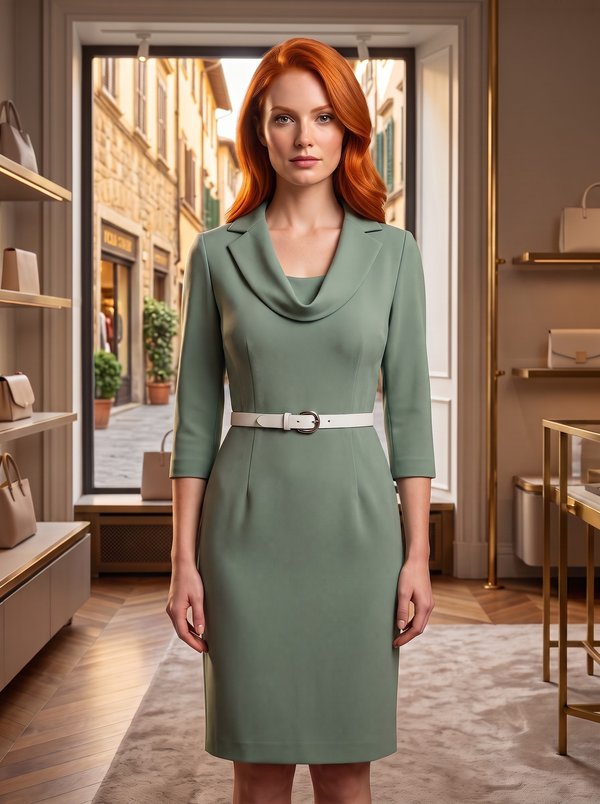
#4006
Cowl Collar Belted Dress
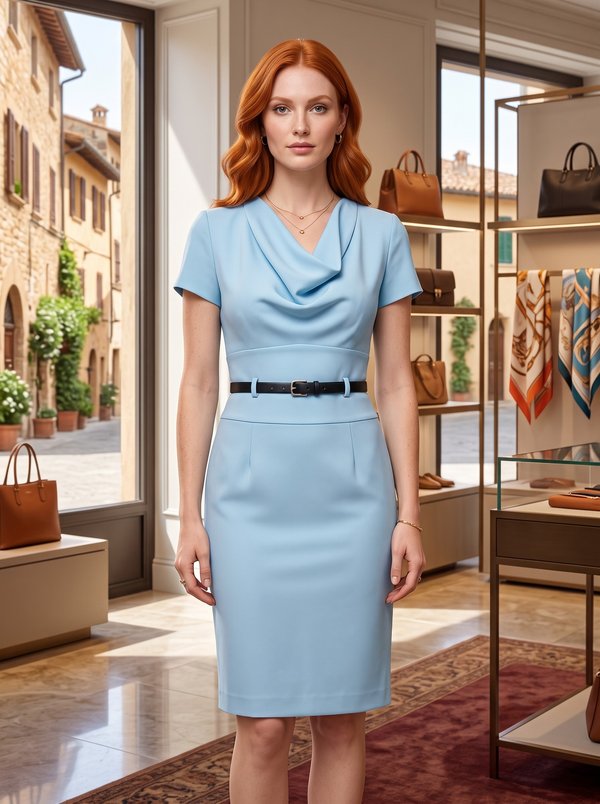
#4004
Draped Neck Belted Sheath Dress
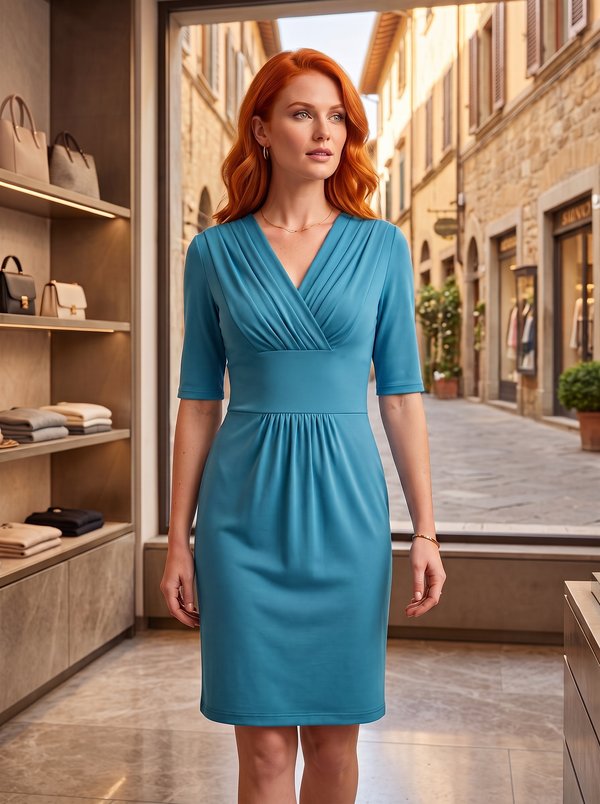
#4003
Draped V-Neck Gathered Waist Dress
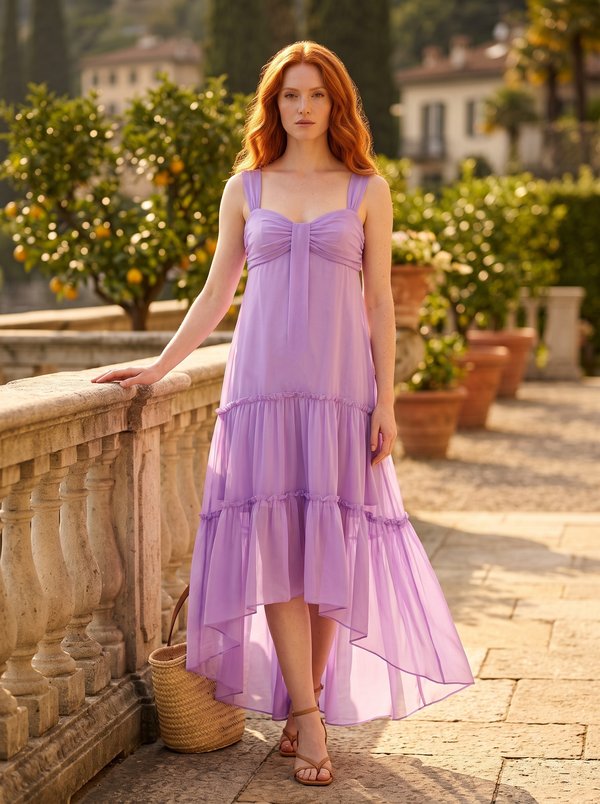
#4016
Tiered Ruffle High-Low Maxi Dress
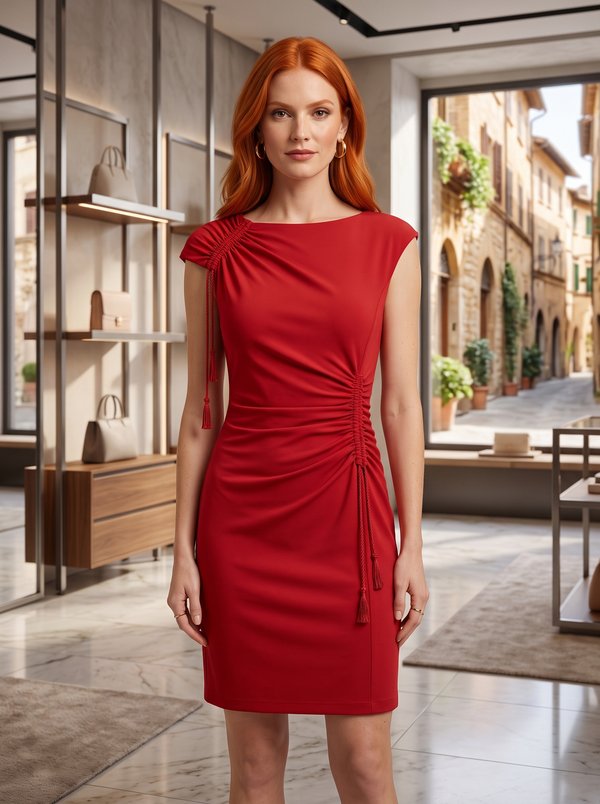
#4019
Asymmetrical Ruched Cap Sleeve Dress
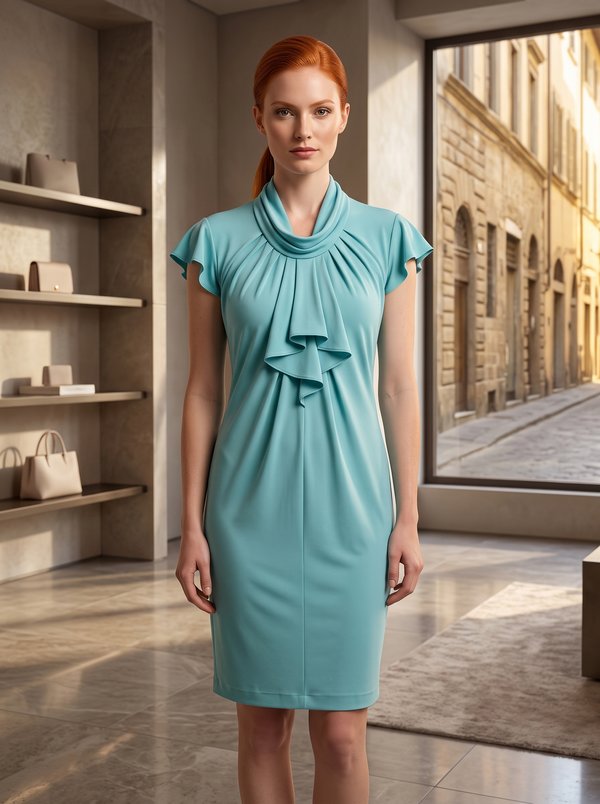
#4022
Tube Collar Ruffle Front Cap Sleeve Dress
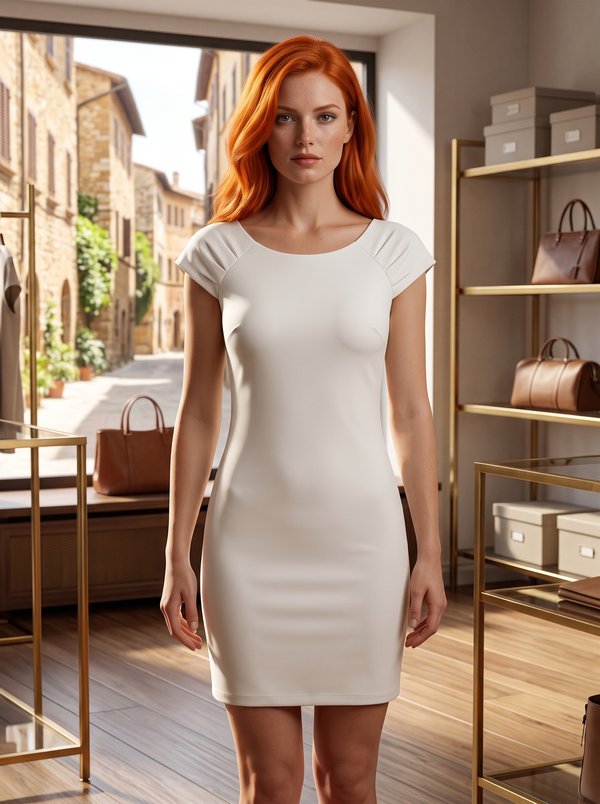
#4023
Sheath Dress with Pleated Cap Sleeves

Minerva Support
Online